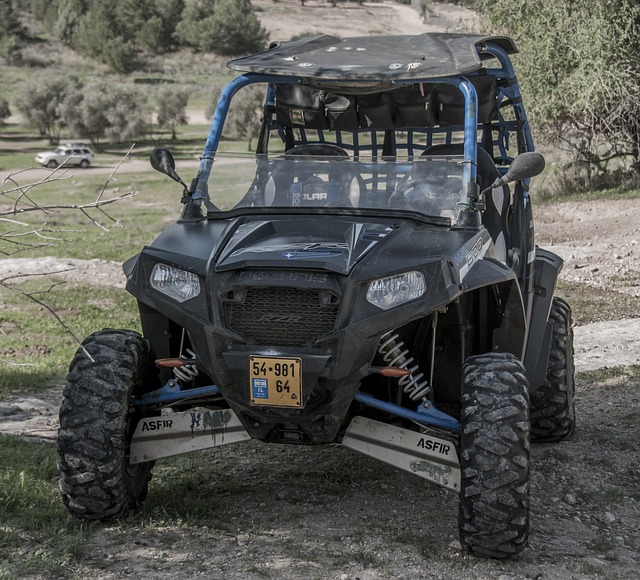








In the rugged landscapes of Brownsville and beyond, where 4×4 vehicles are often the primary mode of transportation, maintaining optimal performance is crucial. One critical aspect often overlooked but immensely impactful is fleet truck tire rotation Brownsville. Proper tire rotation strategies can significantly improve traction, fuel efficiency, and overall durability, ensuring your fleet stays ahead of the wear and tear. This article delves into the art and science of tire rotation, offering a comprehensive guide for fleet managers aiming to optimize their 4×4 vehicles’ performance and longevity.
Understanding Fleet Truck Tire Rotation
The Importance of Regular Rotation
Tire rotation, a routine maintenance practice, involves systematically moving tires from one position to another on a vehicle. This process is especially vital for 4×4 trucks due to their unique driving conditions. In Brownsville, where diverse terrain challenges tire wear, regular rotation becomes an indispensable strategy for fleet managers.
Benefits of Fleet Truck Tire Rotation
- Even Wear: Rotating tires ensures all tires experience similar mileage and environmental conditions, leading to more uniform wear patterns.
- Improved Traction: With tires evenly worn, 4×4 trucks can grip the road better, enhancing traction and handling, especially during off-road adventures.
- Extended Tire Life: Regular rotation reduces the risk of irregular wear, which can cause premature tire failure.
- Enhanced Fuel Efficiency: Evenly worn tires contribute to better fuel economy, saving fleet operators money in the long run.
4×4 Performance Optimization Strategies for Fleet Truck Tire Rotation Brownsville
1. Implement a Structured Rotation Pattern
- Front-to-Rear and Side-to-Side: Develop a rotation pattern that moves tires from the front to the rear and from one side to the other. This ensures all tires experience different positions and forces.
- Alternating Patterns: Consider alternating tire positions in a set pattern for each rotation. For instance, move the left front to the right rear, then the right front to the left rear.
2. Frequent Inspection and Monitoring
- Visual Checks: Regularly inspect tires for signs of uneven wear, cuts, or bulges. Even the slightest irregularities can indicate underlying issues.
- Pressure Monitoring: Maintain proper tire pressure, as underinflation can accelerate wear. Use a pressure gauge to check and adjust as needed.
- Wear Patterns: Observe wear patterns on each tire to understand how they respond to different driving conditions and rotations. Adjust rotation strategies accordingly.
3. Tire Type and Size Consistency
- Standardized Tires: Use tires of the same size, type, and brand across your fleet. This ensures consistent performance and wear patterns.
- Load and Speed Ratings: Ensure all tires have identical load and speed ratings to avoid uneven stress distribution.
4. Regular Deep Tire Inspection
- Worn Out Spots: Look for worn-out spots, known as "scuffing" or "scraping," which can indicate road surface issues or tire misalignment.
- Tread Depth: Measure tread depth using a tire gauge to determine when tires need replacement. A general rule is to replace tires when tread depth reaches 2/32nd of an inch.
Best Practices for Effective Fleet Truck Tire Rotation
- Establish a Schedule: Create a regular tire rotation schedule, typically every 5,000 to 8,000 miles or every 3 to 6 months, whichever comes first.
- Document and Track: Maintain detailed records of each rotation, including dates, mileage, and tire positions. This data will help identify trends and optimize future rotations.
- Train Your Team: Educate your fleet maintenance staff about the importance of tire rotation and proper rotation techniques.
- Consider Underbody Protection: Invest in underbody guards or protectors to shield tires from road debris, rocks, and other potential hazards.
- Pair with Wheel Alignment: Regularly align wheels to ensure tires are properly positioned and rotating symmetrically.
FAQ: Fleet Truck Tire Rotation Brownsville
1. How often should I rotate my fleet trucks’ tires?
Fleet truck tire rotation in Brownsville should occur every 5,000 to 8,000 miles or at least every 3 to 6 months. Regular rotations, combined with frequent visual inspections, ensure optimal tire performance.
2. Can different tire sizes cause uneven wear?
Yes, using different tire sizes can lead to uneven wear patterns. Standardize tire sizes and ensure they have identical load and speed ratings to promote consistent performance and wear.
3. What is the best pattern for rotating 4×4 truck tires?
Implement a front-to-rear and side-to-side rotation pattern. Alternate tire positions in a set pattern for each rotation to ensure even wear. This strategy simulates a variety of forces on each tire.
4. How do I know if my tires need rotation?
Tires generally need rotation when they exhibit signs of uneven wear, such as scuffing or scraping. Regularly check tread depth using a tire gauge, aiming to replace tires when tread depth reaches 2/32nd of an inch.
5. Can I rotate tires myself, or do I need a professional?
While some basic tire rotation can be done yourself, complex 4×4 truck tire rotation may require professional equipment and expertise. For best results, consider consulting a qualified fleet mechanic or tire specialist.
Conclusion: Mastering Fleet Truck Tire Rotation Brownsville
In the demanding landscape of Brownsville, optimal 4×4 performance and tire longevity are achieved through a structured, proactive tire rotation program. By implementing the strategies outlined in this guide, fleet managers can ensure their trucks navigate diverse terrain with confidence and efficiency. Regular rotation, combined with thorough inspections and maintenance, extends tire life, improves fuel economy, and enhances overall vehicle performance. Embrace these practices, and your fleet will be ready to conquer any road, from the rugged trails of Brownsville to the open highways.